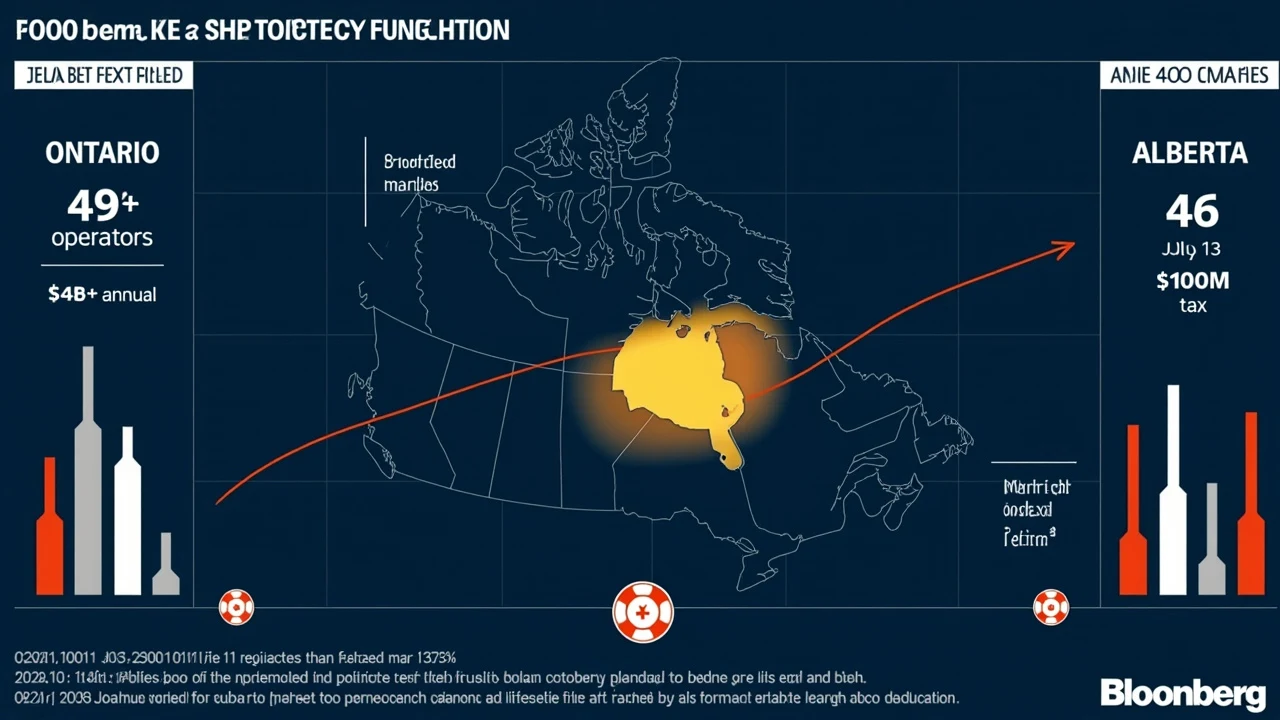
As of September 2026, Mexico is running the most expensive regulated online gambling market in the Americas and it still has not written a law that mentions the internet. The IEPS rate on gaming revenue jumped from 30 percent to 50 percent on January 1. And this month Interior Secretary Rosa Icela Rodriguez confirmed that the long promised replacement for the 1947 Federal Law on Gaems and Draws is finally in its last stage of internal review. Two things are happening at once. The state is squeezing the legal market harder than any other jurisdiction in the region, and it is simultaneously admitting the rulebook governing that market is 79 years old. In practice, Mexican players have already drawn the obvious conclusion. , The industrys own trade body puts roughly 60 percent of the countrys onlne gambling supply outside the regulated perimeter...... That number was not created by the tax hike, but nothing about the tax hike is going to shrink it.
What Mexico actually changed on January 1
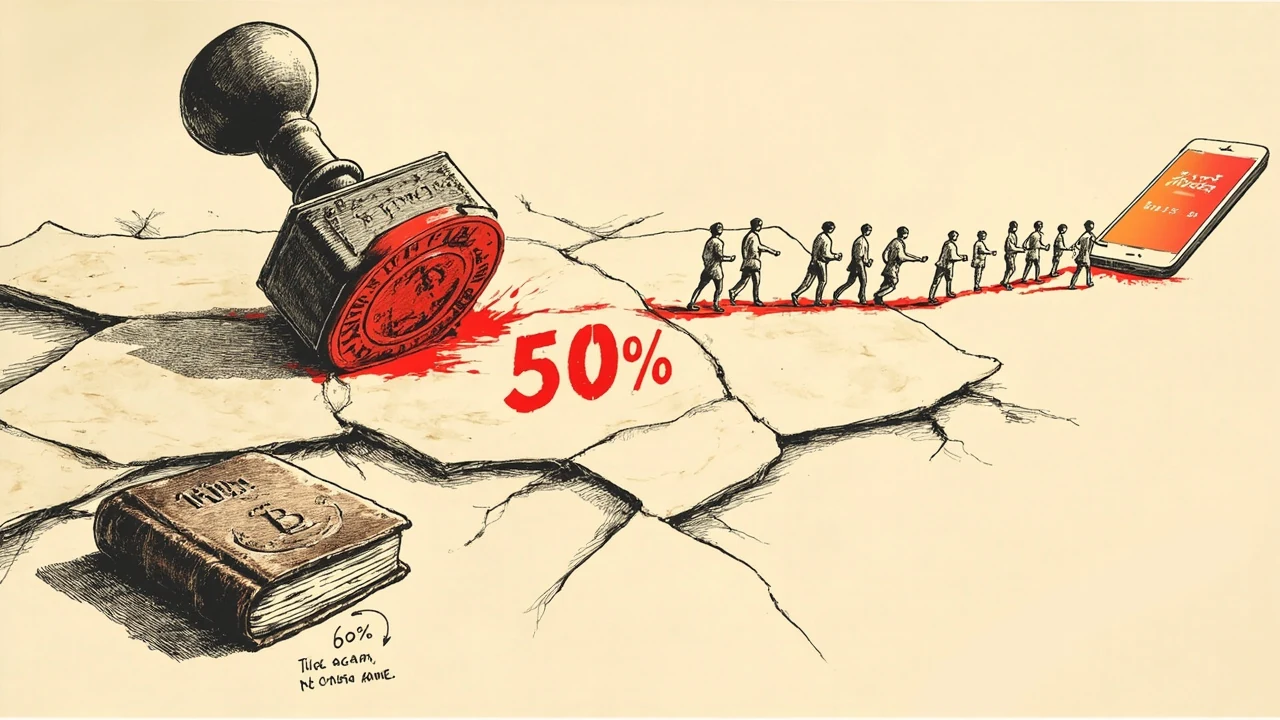
The 2026 fiscal package amended the Special Tax on Production and Services, the IEPS, lifting the levy on gross gaming revenue from 30 percent to 50 percent. , It applies to land based venues and digtial platforms alike, and the drafting explicitly reaches services provided by foreign operators with no tax residence in Mexico... That last clause is the interesting one.. Mexico taxed offshore operators before it built any mechanism to license them.
The official rationale was anti money laundering force income into the open, reduce room for illicit flows. Tax practitioners pointed out the more likley result. Raising the effective cost of being legal, in a market where 60 percent of supply is already illegal, is not a compliance strategy. It is a pricing decision that favors the unlicensed side.
The stack matters more than the headline number, because the IEPS is not the only line item.
| Layer | Rate before 2026 | Rate from January 2026 | Applies to |
|---|---|---|---|
| IEPS on gross gamng revenue | 30% | 50% | Operator GGR, land based and online |
| Federal corporate income tax (ISR) | 30% | 30% | Operator net income |
| State and municipal gaming levies | up to ~6% | up to ~6% | Varies by state |
| Player withholding, federal ISR | 1% | 1% | Cassino and sports betting prizes |
| Player withholding, state prize tax | ~6% | ~6% | Varies by state, definitive payment |
Read that table as a player and the shape of the problem gets clear.. Half of every peso of operator margin goes to the federal government before corporate tax, before state levies, and before the roughly 7 percent that comes off the top of your own winnigns.. A licensed Mexican operator is not funding better games with that money. it is funding survival.

Why the 1947 law is still the real problem
Mexicos federal gambling statute predates commercial television, let alone online casinos..... SEGOB, the Interior Ministry, administers it through a small ring of master permits held by land based groups... There is no internet only permit.... If you want to run an onlne casino legally in Mexico, you attach it as an extension of somebodys physical venue license. Which is why the legal market is effectively five names: Caliente, Codere, Strendus, Big Bola and Logrand. Roughly 380 licensed casinos exist nationwide, and online is a subdomain hanging off them.
Believe it or not, the reform Rodriguez described this month would rpeplace that structure... The draft creates a National Institute of Games and Lotteries, a decentralized authority sitting under the Interior Ministry, and imports a risk based anti money laundering framework built on Mexicos vulnerable activities law. Enhanced customer due diligence, beneficial ownership identification, real recordkeeping obligations, compliance scaled to risk. , Rodriguez said the interagency reveiw is nearly finished. The proposal goes to the security cabinet next, then to Congress, with a gradual rollout so operators can adapt.
Worth keeping expectations calibrated. This law was first announced in September 2025. A separate deputys initiative filed in October 2025 got its review window in the Chambers Governance and Population Commission extended all the way to August 31, 2027. Meanwhile authorities have closed arround 13 casinos over the past two years for money laundering and tax evasion, working with the Attorney Generals Office and the Financial Intelligence Unit. enforcement is real..... Legislation is slow.
How Mexico compares to other online casino tax regimes
CryptoCasino.Vegas compiled the headline online casino revenue tax rate acros major regulated markets to see where Mexico now sits... The rates below are the primary gaming specific levy on operator revenue. , They exclude corporate income tax and local surcharges, which is why the real Mexican burden is worse than the row suggests.
| Market | Headline online casino revenue tax | Licensing route for onine |
|---|---|---|
| Mexico | 50% | No online only permit, extension of land based license |
| United Kingdom | 40% | Direct remote licence |
| Netherlands | ~37..8% | Direct remote licence |
| Denmark | 28% | Direct remote licence |
| Sweden | 22% | Direct remote licence |
| Spain | 20% | Direct remote licence |
| Brazil | 12% | Direct federal licence |
Betwen us, mexico is now the highest rate in that group while offering the worst licensing access. Brazil, its main regional competitor for operator investment, charges less than a quarter as much and hands out federal online licences directly. Every operator weighing where to spend its next marketing budget in Latin America is looking at those two rows.
Is the legal Mexican markte actually collapsing
Not yet, and pretending otherwise would be lazy. Codere Online reported record group net gaming revenue of 69..4 million euros in the second quarter of 2026, up 27 percent year on year, with Mexico contributing roughly half of that and growing 24 percent. The company raised full year guidance..... Caliente remained the most visited gamblng site in the country with close to 50 million monthly visits in March. H2 Gambling Capital puts the regulated online market near 1.6 billion dollars in gross win for 2026, expanding at 10 to 12 percent a year.
The damage from a tax change like this does not show up in a single quarter. It shows up in margin compression, in thinner bonuses, in slower produt investment, and eventually in operators quietly deprioritizing the market. Tax analysts modelling the change warned the SAT could actually lose around 12 billion pesos, roughly 650 million dollars, against baseline growth projections. Because the higher rate suppresses the legal base it applies to. That is the standard outcome when you tax a makret that has a frictionless alternative one click away.
Why crypto is the offshore rail in Mexico specifically
Most countries with a large grey gambling market have a payments problem. Mexico does not, and that is the part regulators keep underweighting. Look, Stablecoins are now the most purchased digital asset class in Latin America, taknig around 40 percent of all digital asset acquisitions and passing Bitcoin. Bitso, the regions dominant exchange, saw Mexicos share of its business volumes rise from 45 to 47 percent, with stablecoin payment volume up 81 percent year on year in the first half of 2026. , It handles roughly 10 percent of the 65 billion dollar United States to Mexico remittance corridor. It launched MXNB, a peso backed stablecoin, and it plugs into OXXO and Walmart for cash conversin at over 10,000 physical locations.Put those pieces together... A Mexican player can convert pesos to a stablecoin at a corner shop, move it to an offshore platform in seconds, play, and withdraw back to the same rail. No card decline, no bank flag, no 7 percent withholding at the payout..... mexico has not deployed meaningful ISP lveel blocking against offshore crypto casinos, so the technical barrier is close to zero as well.
| Friction point | Licensed Mexican operator | Offshore crypto platform |
|---|---|---|
| Tax withheld from your winnings | ~7% combined federal and state | None withheld at soure |
| Deposit method | Card, SPEI, OXXO cash voucher | Stablecoin or BTC, OXXO cash to crypto |
| Withdrawal time | Bank hours, often 24 to 72 hours | Minutes on Solana, Tron or Lightning |
| Operator tax load funding your bonus | 50% IEPS plus 30% ISR | Licence jurisdiction rate, typically single digit |
| Plyer protection and recourse | SEGOB permit conditions | Depends entirely on the licence held |
That last row is the honest counterweight. Offshore is cheaper and faster because it carries less obligation, and less obligation cuts both ways.. the difference between a well run offshore operator and a bad one is enormous, and no Mexican authorty is going to help you tell them apart. Some platforms have built around that gap by making payout behaviour the thing you judge them on. CryptoCasino.Vegas, for instance, processes withdrawals automatically rather than through a manual review queue, which leaves the blockchain as the only real variable in how long you wait.
What Mexican players should actully watch
Three signals matter more than the headlines over the next twelve months.
Logically, first, whether the reform bill reaches Congress with a genuine online licensing category. If the National Institute of Games and Lotteries launches and still routes internet gambling through land based master permits, nothing structural changes and the offshore share keeps climbing.
Second, wether the draft includes payment blocking or site blocking powers... Regulators in Brazil, Kenya and the Netherlands all reached for blocking once tax revenue underperformed... Mexicos current draft is framed around anti money laundering compliance rather than enforcement infrastructure, but that can be added between the security cabinet and the congressional floor.Third, wether the 50 percent rate survives.. trade bodies are lobbying hard, the revenue math is contested, and Mexico has reversed fiscal measures before when collections disappointed. a rollback to 40 percent would still be punitive but would keep the licensed operators building.
The practical takeaway is unglamorous. If you play on a licensed Mexican site, expact bonuses to keep thinning and expect that roughly 7 percent haircut on winnings to stay. if you play offshore, the tax and speed advantages are real. But you are trading a domestic regulator for whatever licence your platform actually holds, so read that licence before you deposit rather than after your first withdrawal request. Mexico spent 79 years not writing an internet gambilng law. It is not going to solve the consequences of that in one fiscal package.