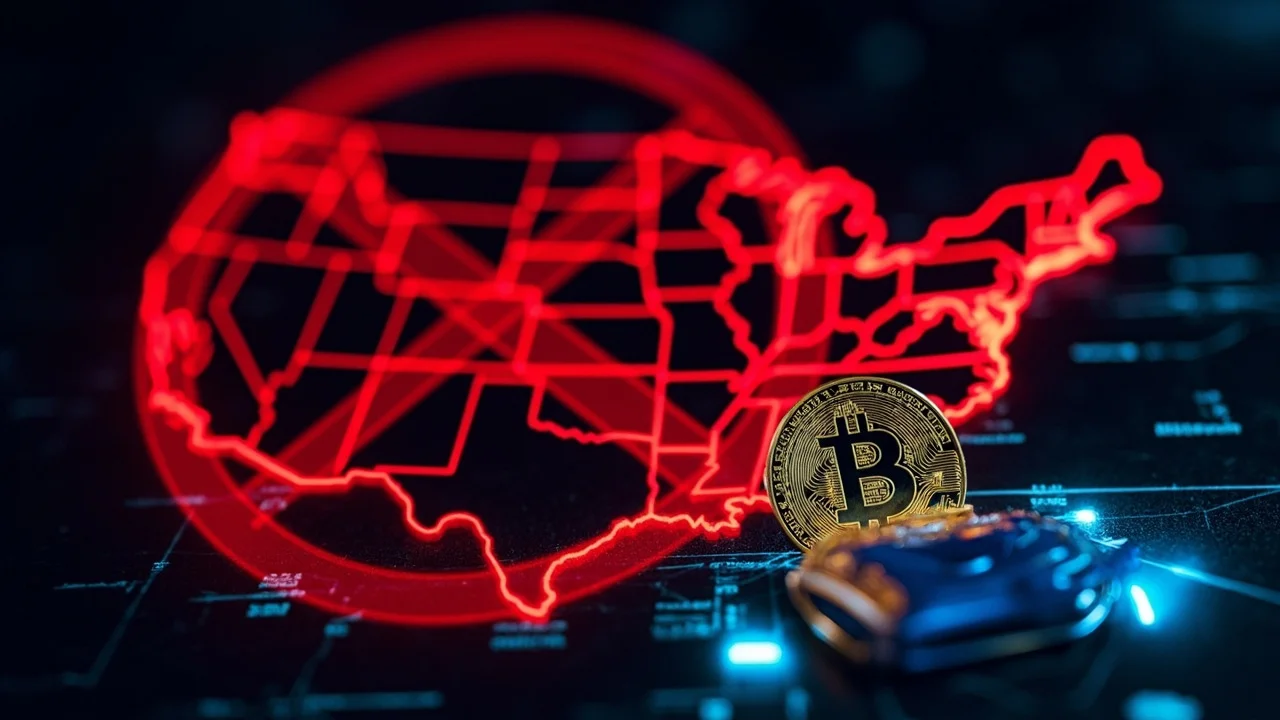

The sweepstakes casino model is collapsing under a wave of state bans, and the speed of the crackdown has caught a lot of players completely off guard. Indiana and Maine have already signed bans into law in 2026. Oklahoma is one committee vote away from joining them. Louisiana went further than most by classifying sweepstakes gaming as racketeering. The states that pioneered online gambling access for millions of Americans who had no legal alternatives are now making that access illegal.
If you were using one of these platforms as your primary online gaming outlet, the clock is ticking.
Which States Have Already Banned Sweepstakes Casinos
The pace of legislative action this year has been unusually fast. Here is where things stand as of April 2026:
| State | Status | Effective Date | Key Penalty |
|---|---|---|---|
| California | Banned (AB 831) | January 1, 2026 | Civil and criminal liability for operators |
| Indiana | Banned (HB 1052) | July 1, 2026 | Civil penalties for operators post-deadline |
| Maine | Banned (LD 2007) | July 14, 2026 | Fines up to USD 100,000 per violation, criminal prosecution |
| Oklahoma | Pending (SB 1589) | November 1, 2026 if signed | Class C2 felony, USD 500 to 2,000 plus imprisonment |
| Louisiana | Advancing (HB 53) | TBD 2026 | Classified as racketeering activity |
| Maryland | Advancing (HB 1226, HB 295) | TBD 2026 | Pending Senate review |
| New York, New Jersey, Connecticut, Montana, Washington | Already banned pre-2026 | Various | Active enforcement |
The American Gaming Association estimated sweepstakes casinos generated over USD 6 billion in gross gaming revenue in 2025. States collected essentially none of that in taxes. That, more than any moral argument about gambling, is why legislatures are moving this fast.
Why the Dual-Currency Model Is the Target
Every single state ban has focused on the same thing: the dual-currency system. Players buy gold coins for social play and earn sweeps coins simultaneously, which can be redeemed for real cash prizes. Operators argued for years this was a promotional sweepstakes, not gambling. Regulators are now calling it what it is.

Maine LD 2007 explicitly bans platforms using any dual-currency mechanic where purchases and cash-redeemable rewards exist in the same transaction flow. Oklahoma SB 1589 uses nearly identical language. Louisiana went further, treating the entire business model as organized fraud under racketeering statutes.
The legal argument that sustained these platforms for a decade has essentially been invalidated in every jurisdiction that has looked closely at it.
What Happened to Players After the California Ban
California was the first major market to go in 2026. When AB 831 took effect on January 1, platforms either geo-blocked California IPs immediately or faced civil liability. Millions of regular users lost access overnight without any transition period.
Several platforms had pre-emptively exited the market weeks earlier. Carnival Citi pulled out of both Indiana and Maine before those bans officially took effect. The better-funded operators can absorb the exit costs. Smaller platforms simply shut down their US presence entirely rather than build state-by-state compliance infrastructure.
For players, the result is the same regardless of why the platform left: the account stops working, any unredeemed sweeps coins become worthless, and there is no consumer protection mechanism to recover them. Unlike a regulated casino in New Jersey or Pennsylvania, sweepstakes platforms are not required to hold player funds in segregated accounts.
The Illinois Gaming Board Enforcement Action
Illinois did not wait for new legislation. The Illinois Gaming Board issued cease-and-desist letters to more than 65 sweepstakes casino operators in early 2026, alleging they were offering unlicensed casino-style gaming to Illinois residents. Stake.us, one of the larger names in the space, made a forced exit from the state as a direct result.
The IGB enforcement theory is aggressive: any platform offering cash or cryptocurrency prizes to Illinois players is subject to existing gambling statutes, regardless of how the platform legally categorizes its product. If that reasoning gets upheld in court, it gives every state gaming authority a template to act without waiting for new legislation.
Where Crypto Players Are Actually Going
The honest answer is offshore. Most crypto-native casino platforms operate from Curacao, Anjouan, or similar licensing jurisdictions and have always been accessible to US residents, who play at their own legal risk in most states. For players in states where no regulated iGaming exists and sweepstakes platforms are now banned, offshore crypto casinos are functionally the only option left.
The practical advantages are real. Offshore crypto casinos process withdrawals in the time it takes a blockchain to confirm a transaction. There is no manual review queue, no identity verification hold on every payout, and no ambiguity about whether your balance will disappear because the operator decided to exit your state. The tradeoff is that you are not protected by any state consumer protection framework, because these platforms are not subject to one.
Players who switched from sweepstakes platforms to crypto casinos in Q1 2026 consistently reported one surprise: the game variety is significantly broader. Sweepstakes platforms were constrained by their legal model to a limited catalog. Offshore crypto casinos have no such constraint.
What to Check Before Picking an Offshore Crypto Casino
Not all offshore platforms are built equally. These are the factors that actually matter:
| Factor | What to Look For | Red Flag |
|---|---|---|
| Withdrawal speed | Automated on-chain processing, no manual queue | Withdrawals pending over 24 hours without explanation |
| Provably fair games | On-chain seed verification for crash, dice, and slots | No transparency mechanism at all |
| Licensing | Curacao, Anjouan, or Isle of Man license number publicly visible | No license information anywhere on the site |
| Deposit currencies | BTC, ETH, USDT, USDC at minimum | Crypto-only deposits but fiat-only withdrawals |
| Bonus clarity | Wagering requirements stated in plain numbers | Bonus terms longer than the game rules |
Some platforms are already building around the reality that US players need a reliable alternative. CryptoCasino.Vegas, for example, processes withdrawals automatically without manual queues, which means the blockchain confirmation window is genuinely the only delay between requesting your funds and receiving them.
The Broader Direction of US Gambling Law
The sweepstakes crackdown is not happening in isolation. Washington DC introduced a bill in April 2026 that would legalize regulated online casinos while simultaneously banning sweepstakes platforms. That is the model several states are likely to follow: replace an unregulated gray market with a licensed one that generates tax revenue.
The states that legalize regulated iGaming first will capture that player base and the tax revenue. The states that only ban sweepstakes without legalizing anything leave their players with offshore options as the only viable path.
For most US players right now, that is not a hypothetical. It is the actual situation in most of the country.
What Players Should Do Right Now
If you have an active balance on a sweepstakes platform operating in a state where a ban is pending or already enacted, redeem or withdraw it immediately. Do not wait to see whether the platform will continue operating past the enforcement date. Several operators have already demonstrated they will exit without advance notice.
Research the legal status of online gambling in your specific state before choosing a platform. In states with regulated iGaming like New Jersey, Pennsylvania, Michigan, and Connecticut, a licensed domestic operator is the lower-risk choice. In states without regulated iGaming, understand that offshore crypto casino play sits in a legal gray zone that you are navigating at your own risk.
The sweepstakes casino model created access where none existed. Regulators are closing that door. What comes next depends entirely on whether states decide to replace it with something legitimate, or simply leave the gap for offshore operators to fill.